Estimated reading time: 4 minutes
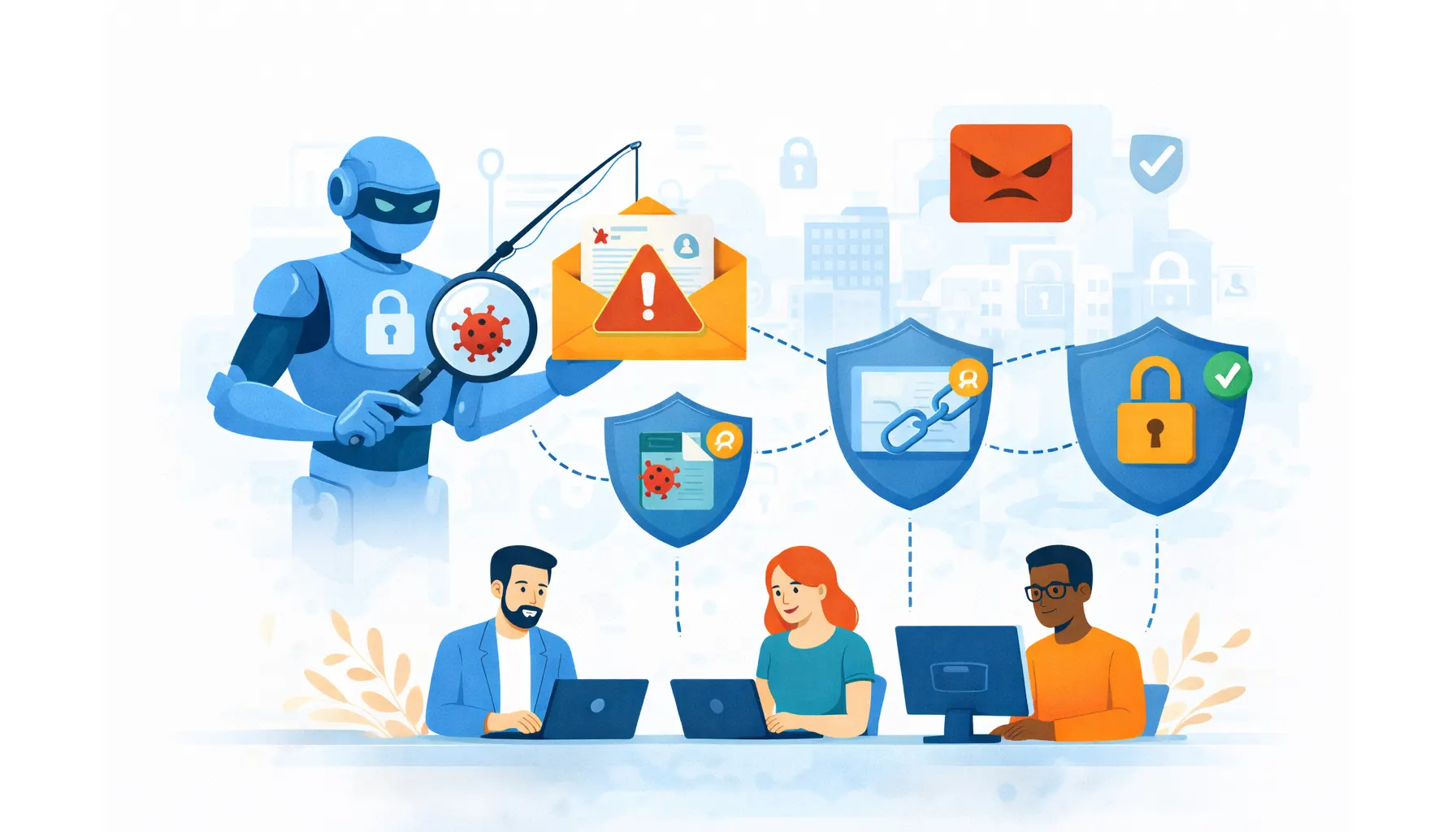
Email remains one of the most common ways malware enters business systems. Cybercriminals often disguise malicious software as legitimate messages, attachments, or links. These emails might appear to be invoices, delivery notifications, password resets, or even messages from colleagues.
But behind the scenes, they are designed to trick someone into clicking a link or opening a file. Once that happens, malware can install itself on the device, potentially stealing data, spreading through the network, or locking files with ransomware.
Understanding how these attacks work is the first step to stopping them.
How Malware Typically Spreads Through Email
Email attacks rely on human trust. Instead of trying to break into systems directly, attackers often try to persuade someone to let them in.
Phishing Emails
Phishing emails impersonate trusted organisations such as banks, suppliers, delivery companies, or even internal colleagues. The goal is to convince the recipient to click a link, download a file, or provide login details.
These emails often create a sense of urgency, such as:
- “Your account will be locked unless you verify your details.”
- “An invoice requires immediate payment.”
- “A secure document has been shared with you.”
Once clicked, the link may lead to a fake login page designed to capture credentials.
Infected Attachments
Attachments are another common infection method. Files such as Word documents, PDFs, spreadsheets, or ZIP archives may contain malicious code.
When opened, they may:
- Install spyware or keyloggers
- Download additional malware
- Give attackers remote access to the computer
- Trigger ransomware that encrypts files
Some documents even prompt users to enable macros, which can silently execute harmful scripts.
Malicious Links
Links within emails may look harmless but redirect to dangerous websites. These pages may:
- Install malware automatically
- Harvest login credentials
- Exploit browser vulnerabilities
- Deliver ransomware downloads
Attackers often disguise links to appear legitimate, using similar domain names or URL shorteners.
How to Protect Your Business from Email-Based Malware
The good news is that most email-based attacks can be prevented with a combination of awareness, security tools, and good IT practices.
Be Sceptical of Unexpected Emails
If you receive an email you were not expecting, especially one with attachments or links, pause before interacting with it. Even messages that appear routine could be malicious.
Verify the Sender
Always double-check the sender’s email address. Cybercriminals often use addresses that look similar to legitimate ones.
If something feels suspicious, contact the sender through a trusted phone number or official website rather than replying directly to the email.
Do Not Open Suspicious Attachments
If an attachment seems unusual, unexpected, or unrelated to your work, avoid opening it. When in doubt, check with your IT support team before downloading or opening the file.
Keep Software Up to Date
Regular updates close security vulnerabilities that malware often exploits. This includes:
- Windows updates
- Antivirus software
- Business applications
- Web browsers
Keeping systems updated significantly reduces the risk of successful attacks.
Use Email Filtering and Security Tools
Modern email systems include spam filters, malware scanning, and phishing protection. These tools help block dangerous messages before they reach users.
Businesses using platforms such as Microsoft 365 can also enable advanced security features like:
- Safe Links
- Safe Attachments
- Anti-phishing policies
- Multi-factor authentication (MFA)
Educate Your Team
Your employees are your first line of defence. Regular security awareness training helps staff recognise suspicious emails and understand what to do if something seems wrong.
Our Approach at Telanova
At Telanova, we help businesses stay protected with proactive monitoring, security tools, and practical guidance.
We support our clients by:
- Configuring secure email filtering and anti-phishing policies
- Monitoring systems for suspicious activity
- Keeping software and security tools up to date
- Providing advice whenever something doesn’t feel right
Our approach is proactive, compassionate, and focused on quality. We work closely with businesses to ensure their systems remain secure without adding unnecessary complexity.
Frequently Asked Questions
What is the most common way malware enters a business network?
Email phishing attacks remain the most common entry point. These emails trick users into opening attachments, clicking malicious links, or entering login details on fake websites.
Can antivirus software stop email-based malware?
Antivirus software can block many threats, but it is not a complete solution. Strong email filtering, user awareness, and regular system updates are also essential.
What should I do if someone clicks a suspicious email link?
If a link has been clicked, contact your IT support provider immediately. Acting quickly can help contain the threat before it spreads across your systems.
Are Microsoft 365 email systems protected from malware?
Microsoft 365 includes strong built-in protection, but it still requires proper configuration and monitoring to maximise security.
How can businesses reduce phishing risks?
Combining staff awareness training, secure email filtering, multi-factor authentication, and proactive IT monitoring significantly reduces phishing risks.
Need Help Securing Your Business?
Email threats continue to evolve, but with the right protections in place your business can stay secure.
At Telanova, we help businesses across Bracknell, Wokingham, Ascot, and Reading protect their systems with practical, reliable IT security.
If you'd like advice on securing your email systems or protecting your team from phishing attacks, we’re always happy to help.
Call us on 01344 989 530 or get in touch to learn how we can support your business.